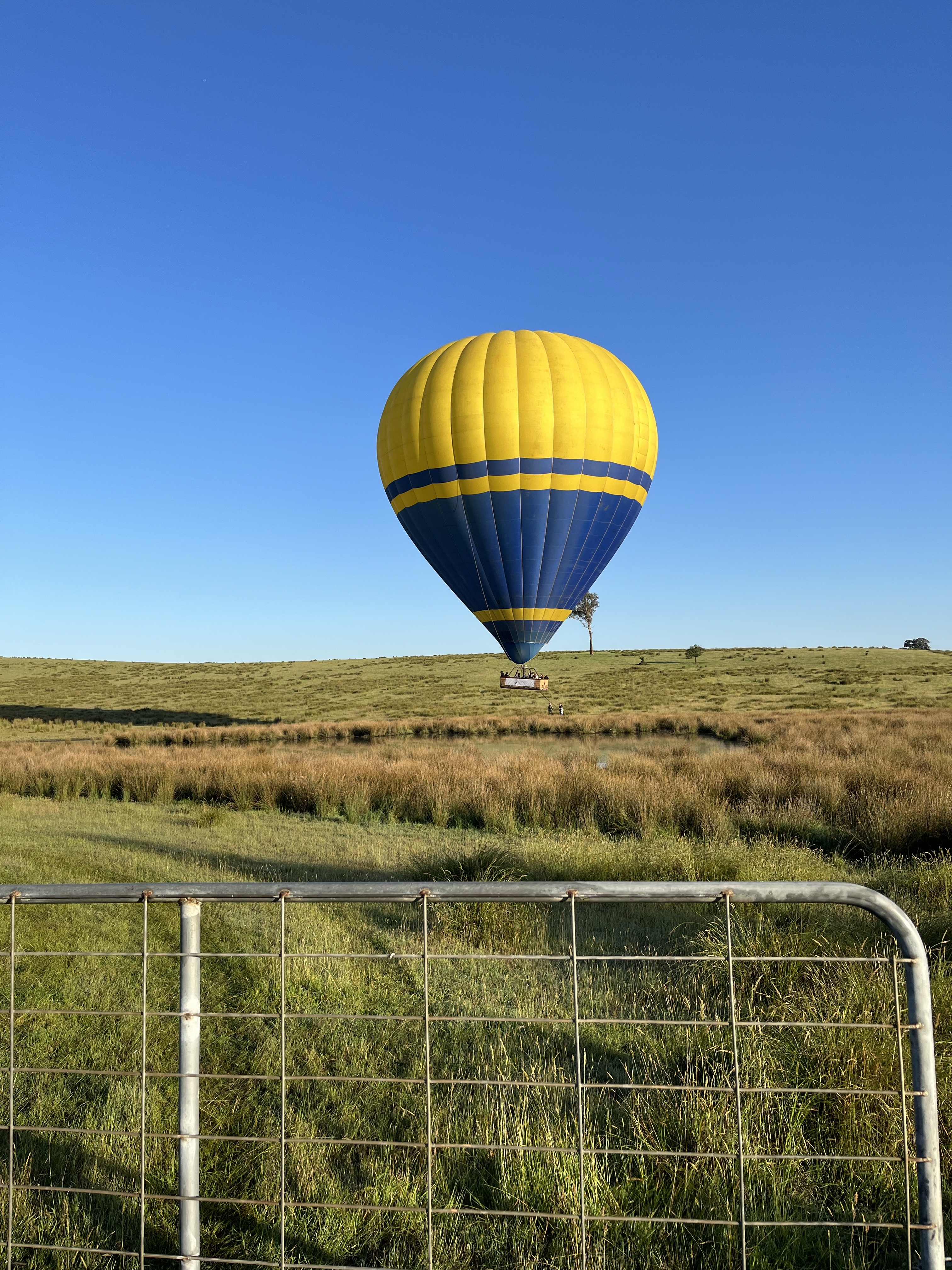
Glaciers aren’t something I’ve given much thought to. Y’know, other than hearing they are melting and seeing photos of their glistening white shapes stretch across the poles.
So, recently I was in Mt Cook, New Zealand and went on a little boat ride out to the Tasman Glacier! Here are some things I learned that made me go … heck yeah glaciers are sweet as bro’.
#1. Glaciers don’t look like what I thought they would look like
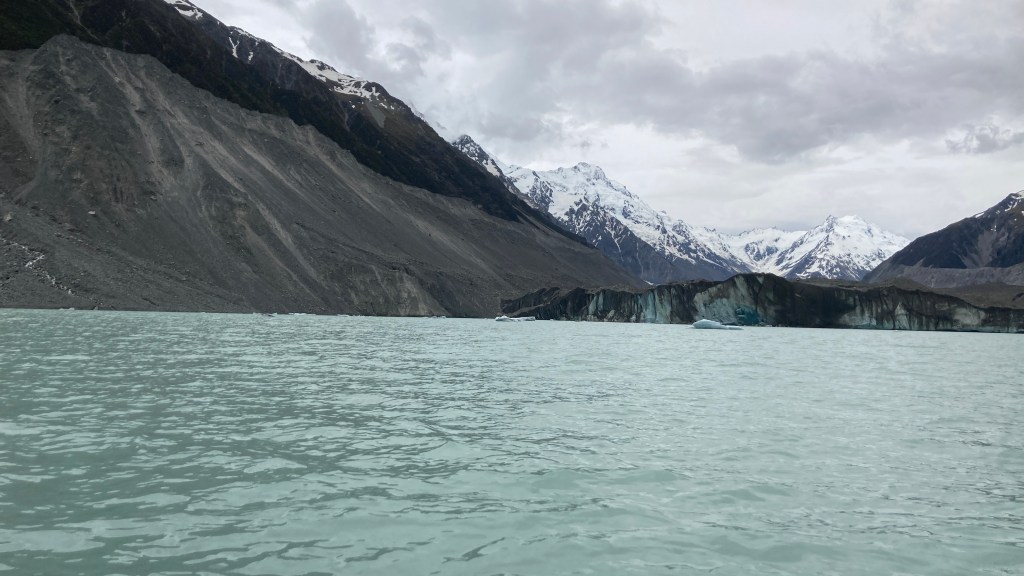
Here’s a photo, the glacier is the big wall in the middle of the picture.

Firstly, it wasn’t white and secondly it was covered in dirt. Now, the guide said that there’s about two meters of crushed rock that has slid down from the mountains covering the glacier. The crushed rock serves a very important role, it ensures the glacier doesn’t melt.. as quickly. Because the dirt insulates it from the heat. How cool is nature!
I also expected glaciers to be floating in the middle of a lake or something. But no, the Tasman glacier has formed at the bottom of a deep valley – which again is very cool.
#2. Blue ice is special
Okay, there is something called BLUE ICE. It’s the most dense version of ice, about 100 times denser than what you can make in your freezer. Blue ice is found inside the glacier or in the areas that haven’t seen the sun. When blue ice is exposed to the sun the ice crystals start to form and get bigger and then it turns white. Why is it blue? Well because it’s so dense, only blue light can travel through it.
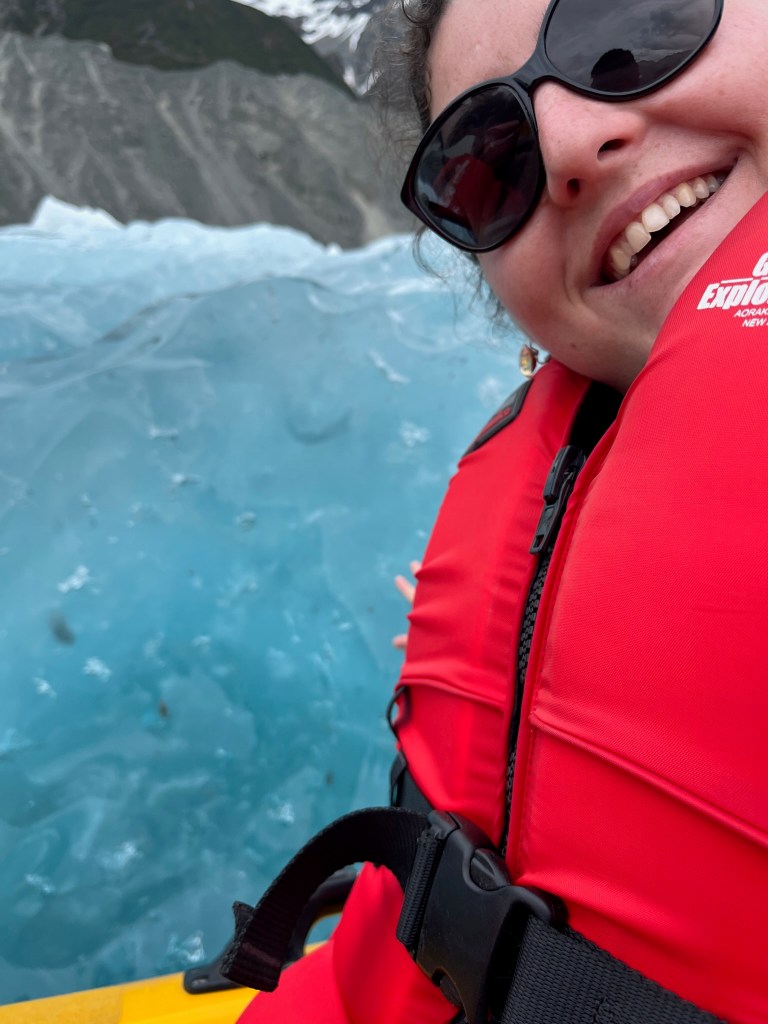
The guide was so passionate about the marvels of blue ice and she helped us get up close and experience it. She talked about how it appears as the icebergs roll over and in just 30 minutes, blue ice turns white. Her passion was such a vibe, great example of how a passionate engages minds and hearts.
#3. They are like 3D puzzles
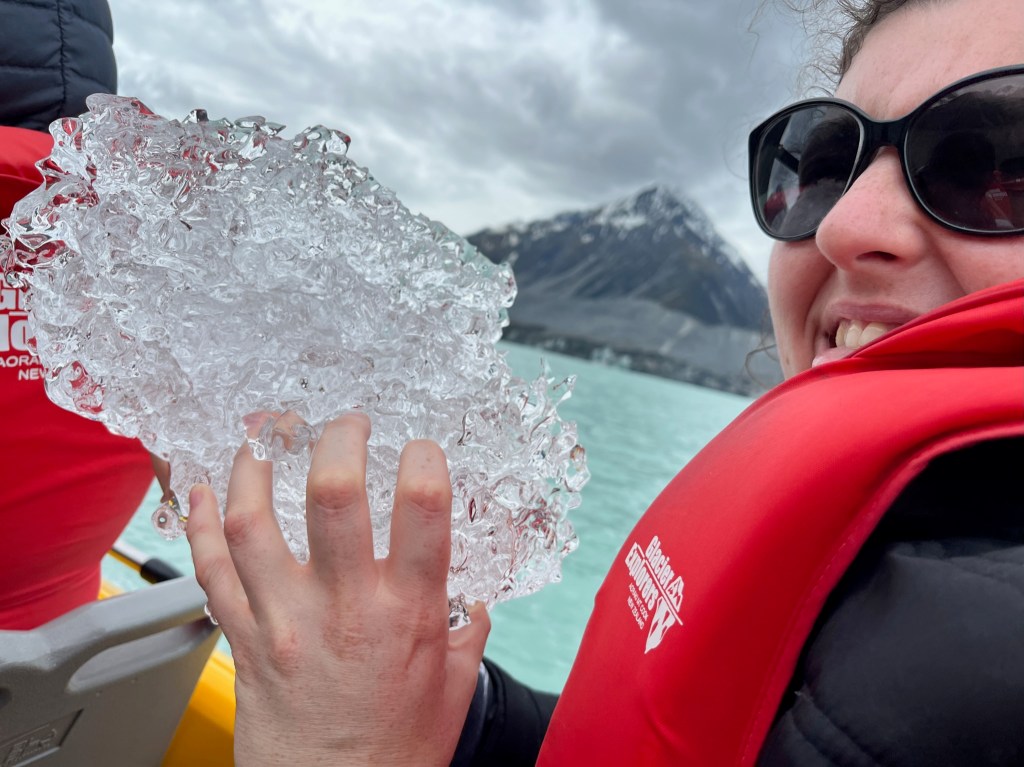
When we got up close to a couple of little icebergs they weren’t a big solid block, they were a mesh of 1000s of chunks of ice that fitted together like a puzzle, each different. One piece broke off and I got to examine the the intricate shape. Beautiful example of nature showing us that it takes multiple unique parts to create a whole.
#4. How quick they are changing
In the early 80s this entire lake was the glacier. In just 40 years, 7km of ice has melted and created this lake. The Tasman Glacier is predicted to loose at least 150m each year… which means it won’t be around in 150 years. My grandchildren will be the last people to visit it. It’s a sombre reminder that our natural world is changing.
#5. There is so much more to know!
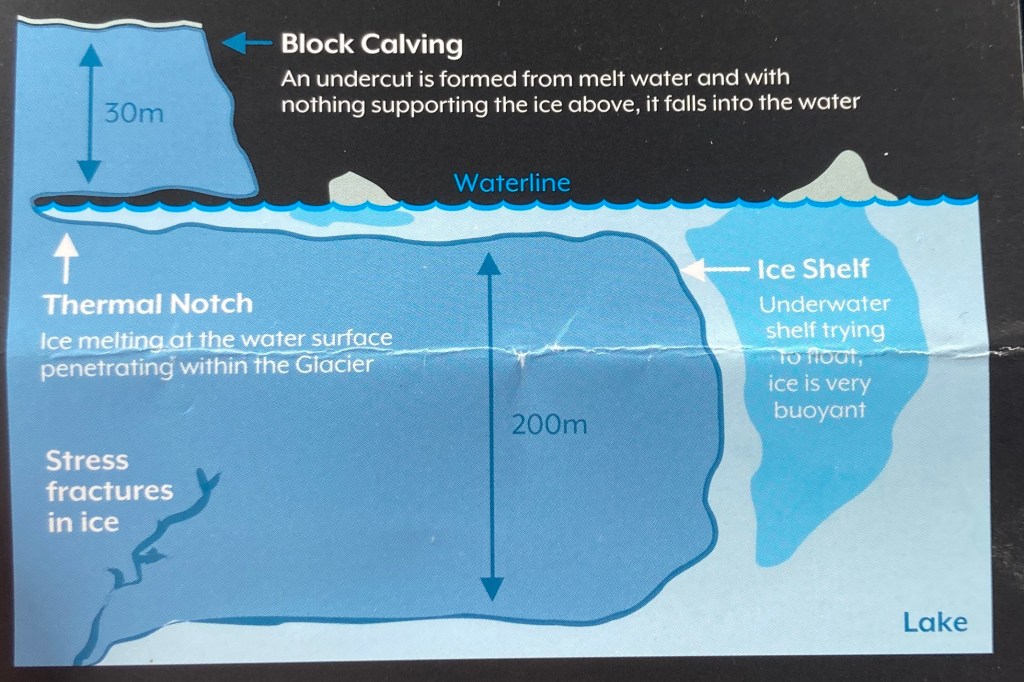
You’ve probably heard that the majority of an iceberg is under the water. Well did you know that icebergs want to maintain at all times a 10% above / 90% below ratio. This ratio influences how the iceberg rotates and moves. As it melts, more ice will rise up and the weight might be redistributed, causing it to roll over.
It makes icebergs dynamic and ever changing. Honestly, I could go on! Here is a little excerpt from the pamphlet with the structure of the iceberg.
If you have an opportunity to do a trip like this, I recommend!


 LearnaBee: Thoughtful Growth, One Post at a Time
Leave a comment